
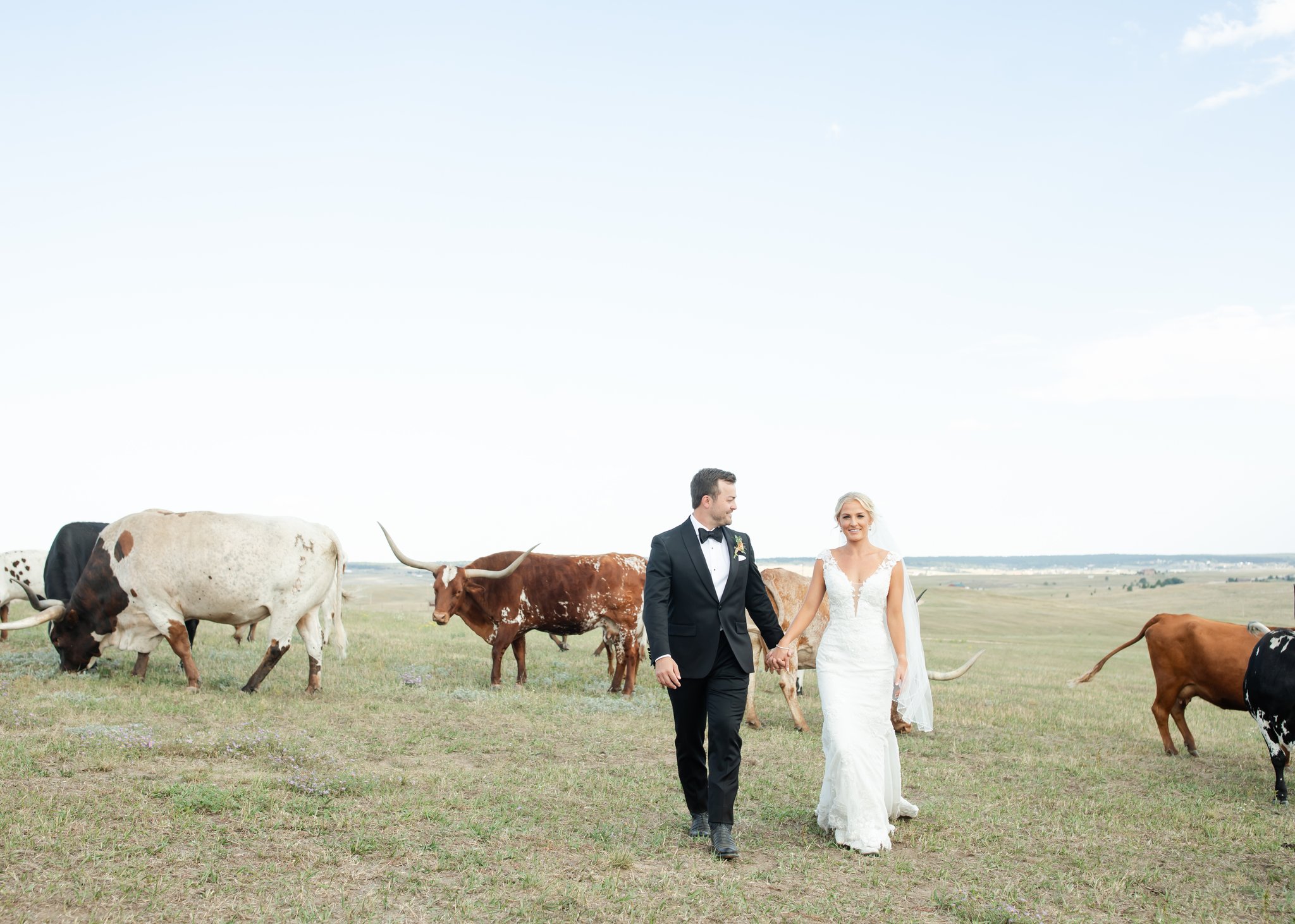
You are definitely not alone if you’ve been searching for how to feel comfortable in front of the camera on your wedding day. Almost every couple tells me some version of the same thing:
“We’re awkward in photos.”
Sometimes it’s said jokingly. Other times one person says it while the other nods in agreement. Occasionally the groom announces upfront that he’s already counting down the minutes until portraits are over. Honestly, none of that surprises me anymore. Very few people feel instantly relaxed when a camera is pointed at them, especially during a day carrying this much emotional weight. Weddings come with anticipation, nerves, family dynamics, timelines, expectations, and the quiet awareness that these photographs will matter for the rest of your life.
That’s a lot to hold all at once.
Most couples aren’t uncomfortable because they’re incapable of taking beautiful photos. Usually, they’re uncomfortable because they think they need to “get it right.” They start paying attention to every expression, every movement, every angle of their body instead of simply being together.
The irony is that the best images rarely happen when people are trying the hardest. But rather in the moments where couples finally exhale. When someone laughs unexpectedly or hands naturally reach for each other. When the nerves settle just enough to become present again.
With years of experience as Denver wedding photographer, I’ve watched time and again. Couples arrive convinced they’ll feel stiff the entire day. But somewhere between walking together, talking quietly, and forgetting to overthink every little thing, they start relaxing naturally.
That’s where meaningful photographs live.
Not inside perfect posing or trying to recreate Pinterest photos. It isn’t inside worrying whether you look flawless every second. Real comfort in front of the camera comes from trust, movement, connection, and feeling safe enough to simply be yourselves.
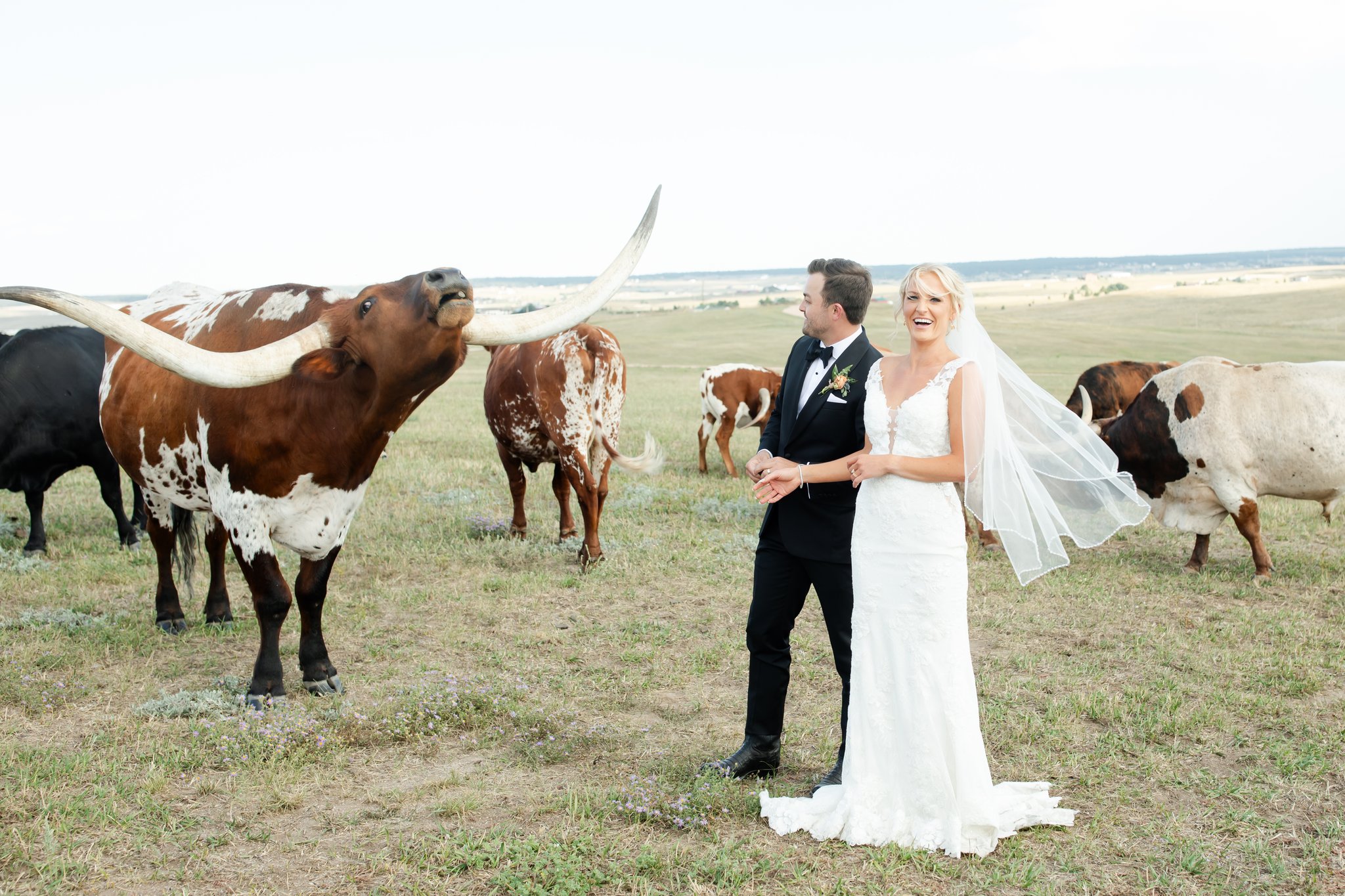
Why Most People Worry
Most people assume awkwardness means they’re “bad at photos.” That usually isn’t true.What they’re actually experiencing is self-awareness. The second people know they’re being photographed, their attention shifts inward. They start noticing their posture, their smile, their hands, their expression, whether they’re standing correctly, and whether they look relaxed instead of actually feeling relaxed. Wedding days intensify that feeling because emotions already sit close to the surface. A mix of excitement and nervous anticipation, maybe pressure can all mingle together with a fast-moving timeline.
Then add social media into the mix, where couples constantly see curated wedding images that appear effortless. It becomes easy to believe everyone else naturally knows how to look incredible in front of a camera while you somehow missed the lesson.
What people don’t realize is that many of those beautiful images come from guidance, trust, pacing, and connection rather than instant confidence.
Natural wedding photography is rarely about standing perfectly still and smiling at the camera. Most couples feel far more comfortable once they stop treating the experience like a test they need to pass.
That shift matters. Because the photographs people treasure years later are almost never the ones where they looked technically perfect. They remember emotion.
Your maid of honor fixing your necklace with shaky hands before the ceremony.
Mud on the hem of your dress after portraits in the mountains.
The moment you finally sit down together and realize the day is really here.
Your friends screaming every lyric on the dance floor with sweaty hair and kicked-off heels.
Those are the moments that carry weight over time. And most of them develop when people stop focusing on themselves long enough to actually experience what’s happening around them.
This is also why emotional safety matters so much in wedding photography. Couples relax differently when they feel guided instead of judged. The atmosphere around them changes their body language, their expressions, and the way they interact naturally.
A rushed environment, over-correcting, and feeling watched too closely all create tension. Whereas calm direction does the opposite. The couples who appear most confident in photos usually aren’t the ones with modeling experience. More often, they’re the ones who trusted the process enough to stop monitoring themselves every second.
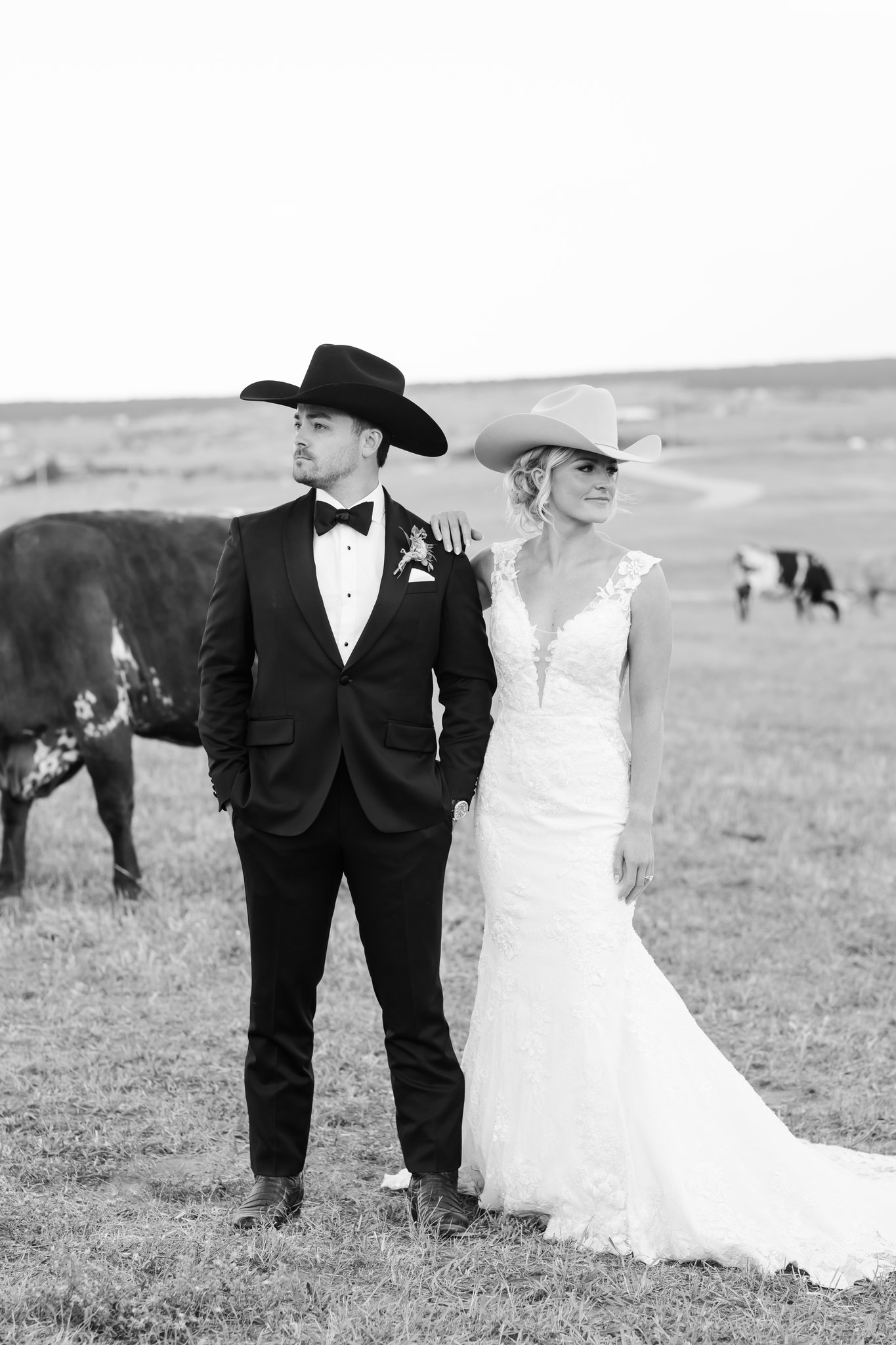
Feel Comfortable in Front of the Camera Without Knowing How to Pose
One of the most common misconceptions around wedding photo tips is the belief that couples should already know how to pose naturally before their wedding day arrives. But you are not expected to show up knowing exactly what to do.
That’s part of your photographer’s job.
A strong photography experience should feel guided without becoming stiff. Good direction helps people settle into themselves rather than making them feel frozen in place. Most natural wedding photography involves movement and interaction far more than rigid posing.
Walking together.
Pulling each other close.
Talking quietly.
Laughing between moments.
Resting your head against your partner’s shoulder for a second.
Taking a breath before the ceremony begins.
Small movements create ease because they give people something real to focus on besides the camera. That’s one reason engagement sessions can be so valuable. Couples often leave realizing photography feels much different than they expected. Instead of standing awkwardly wondering where to place their hands, they’re moving, interacting, and spending intentional time together. The strongest images usually happen in the in-between moments anyway.
Right after the laugh or seconds before the kiss. When you find each other in that knowing way and stop overthinking. Natural posing is less about holding exact positions and more about creating opportunities for genuine interaction. Sometimes I’ll guide couples with prompts instead of technical instructions. This is key if you want to feel comfortable in front of the camera on your wedding day.
“Walk slowly together and talk about the moment you first knew this relationship was serious.
Tell each other what part of the day has surprised you most so far.
Lean into each other and take a second to let everything in.”
Those prompts shift attention away from appearance and back toward connection. You can physically see people ease when that happens. Their shoulders lower and expressions soften. Movement starts looking effortless instead of forced. That’s the sweet spot. None of this requires couples to become different versions of themselves. The goal isn’t to suddenly look like professional models. The goal is simply to create enough comfort that your real relationship has room to show up naturally. That’s what makes images feel timeless years later.
Emotion, connection, and honest interaction never go out of style.
If feeling natural in photos is important to you, working with a photographer whose approach helps you relax makes a huge difference throughout the entire wedding day.
PRICING INFO
CONTACT
PORTFOLIO
What Actually Helps Couples
Comfort usually comes from environment more than personality. Even naturally outgoing people can tense up when they feel rushed or overstimulated. Meanwhile, quieter couples often relax beautifully once the pressure disappears. A few things consistently make the biggest difference during wedding photography.
The first is time. Tight timelines create stress almost immediately. When couples move from one event to another without margin to breathe, portraits start feeling like another obligation instead of part of the experience. Building extra space into the wedding day changes the emotional tone dramatically.
Some of the most meaningful photographs happen during slower moments:
walking together after the ceremony, stepping outside at sunset, or sharing a quiet prayer before entering the reception. None of those moments can be rushed.
Engagement sessions help significantly too because familiarity lowers anxiety. Couples stop wondering what photography will feel like because they’ve already experienced it beforehand. By the wedding day, there’s already trust and rhythm established.
Movement matters more than people realize as well. Standing completely still tends to make people hyper-focus on themselves. Walking, swaying, hugging, adjusting a veil, brushing hair away from someone’s face — all of those small actions create flow and help people settle naturally into the moment.
Conversation helps too. Some couples loosen up quickly once they stop thinking about photos altogether and start talking to each other again. A simple memory, inside joke, or question can shift the entire atmosphere.
Humor also plays an important role, though not in an over-the-top way. People don’t need a photographer turning the day into a performance. They just need enough warmth and ease to remember they don’t have to carry the pressure of looking perfect every second.
Many couples worry most about the partner who “hates photos.” Honestly, that fear usually disappears quickly once people realize they aren’t being left alone to figure everything out themselves. Many people who dislike photos actually dislike uncertainty. They don’t want to feel expose or left wondering if they’re doing something wrong. Clear guidance removes much of that anxiety.
I’ve had couples tell me afterward that portraits became one of the funnest parts of the day because it gave them a chance to slow down and reconnect privately for a few minutes. That emotional reset matters greatly if you want to feel comfortable in front of the camera on your wedding day. Because photography should not feel disconnected from the experience itself. The process of being photographed should support the day rather than pulling people out of it.
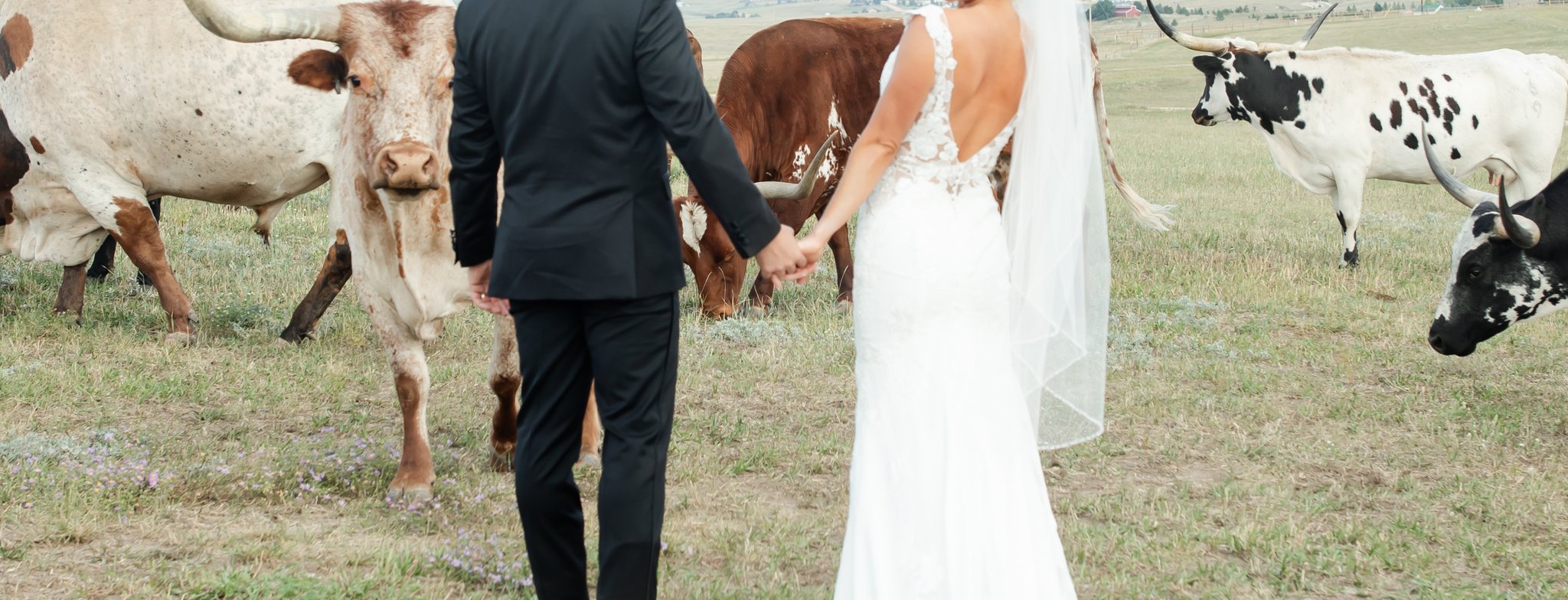
Why Trust Matters More Than Being “Photogenic”
A lot of couples searching for a Colorado wedding photographer are really searching for reassurance underneath it all.
They want to know:
Will we feel comfortable?
Is there someone to guide us?
How will the important moments be seen?
Is the experience going to feel natural?
Can we trust someone with something this important?
Those concerns are deeply human.
Technical skill matters, of course. Couples deserve beautiful imagery and someone capable of handling difficult lighting, weather changes, timelines, and fast-moving moments. At the same time, emotional awareness matters just as much. Here are a few questions to ask yourself:
Will your photographer notice when you need space for a second?
When the timeline shifts unexpectedly will they lead calmy?
Before meaningful moments disappear, will they have captured them?
Will they create structure without making the day feel rigid?
Weddings move quickly. Emotions shift constantly throughout the day. Family dynamics, nerves, excitement, exhaustion, and joy all show up at once. The right photographer becomes a steady presence inside all of that. That steadiness creates trust. And trust changes the entire experience of being photographed. People stop second-guessing every movement and conversations become more organic. Laughter comes easier and the lens stops feeling like the center of attention.
That’s one reason connection before the wedding day matters so much to me. I want to hear how couples met, what matters most to them, who they’re closest to, and what parts of the day feel extremely important before I ever pick up a camera. Those conversations shape how I photograph people because weddings are never just about aesthetics.
They’re about memory.
Years from now, the flowers will be gone. The timeline will blur together. Details that feel massive right now will fade naturally with time. The photographs become part of what remains. Not simply proof that the day happened, but reminders of how it felt to live it.
That’s why comfort matters so much. Because people rarely remember whether they looked perfectly posed in every image. They remember whether they felt present and connected. Whether they were able to relax enough to fully experience one of the most meaningful days of their lives.
Nobody walks into a wedding already knowing exactly how to be photographed naturally. Real comfort comes slowly, often in the quiet middle of the experience, once the pressure fades and people stop trying so hard to look a certain way.
That’s usually the exact moment the photographs start feeling like memories instead of pictures. When you feel comfortable in front of the camera on your wedding day.
YOU MAY ALSO ENJOY:
Best Colorado Wedding Venues with Mountain Views
Why Father Daughter Wedding Photos Matter
FAQ’S
What if my partner hates taking photos?
Most people are nervous before being photographed, especially if they don’t do it often. My approach focuses more on interaction and movement than stiff posing, which helps sessions feel more relaxed and natural.
Do you help with posing?
Absolutely. I guide couples the entire time so you never feel like you’re left wondering what to do with your hands or where to stand.
Should we do an engagement session before the wedding?
Engagement sessions can be incredibly helpful for getting comfortable in front of the camera before your wedding day. They also help us get to know each other before the wedding. The Knot shares further tips to feel comfortable in front of the camera on your wedding day here, but the biggest difference usually comes from working with a photographer whose approach helps you feel comfortable instead of overly posed.
MEET BRITTANY
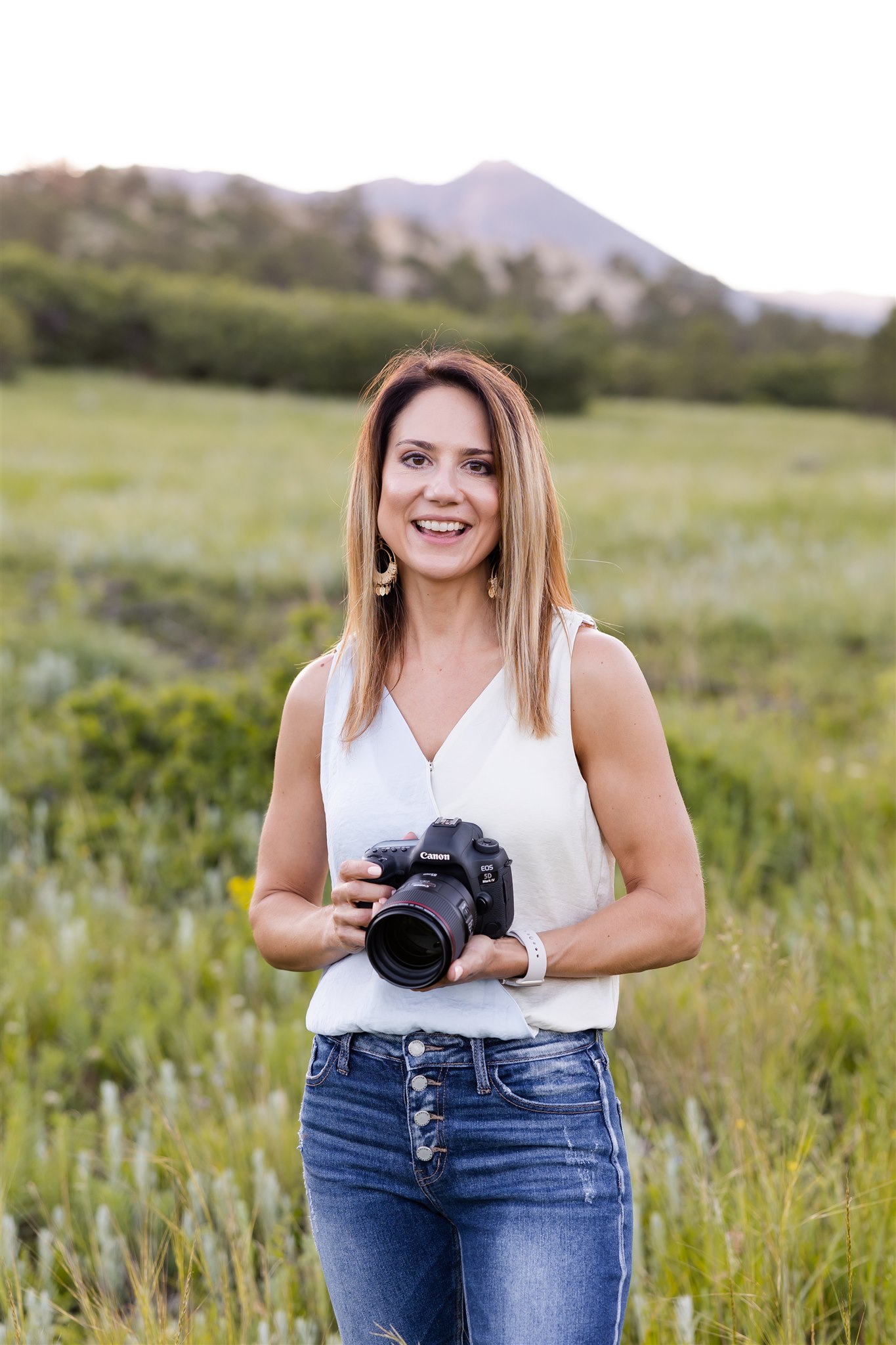
Hey there, I’m Brittany, your dry-humored photographer who can’t get enough of the human story. I love meeting new people and hearing about their lives. Your story is probably my next favorite. Offering documentary-style wedding photography with a storytelling approach in Denver, Colorado, and worldwide locations. Fill out my contact form and let’s get to know each other.


Add a comment
0 Comments